


Michael Mapes is the CEO of Trivium Packaging.
Awareness around diversity, equity, inclusion and belonging (DEIB) has moved fast over the past few years and companies have been quick to adopt programs to further DEIB in their organizations. Recently, however, we have also seen a growing backlash to DEIB and perceived “wokeness.” For example, affirmative action has been struck down in the United States and politicians are challenging DEIB corporate programs. Individuals are also taking action and we have seen companies like Anheuser-Busch in the U.S. and Costa Coffee in the United Kingdom being rebuffed on social media because of their stance on DEIB.
In addition, businesses are facing tougher economic conditions and many are retreating to focus on short-term value. As a result, some companies may choose to reduce their investments in DEIB programs and the professionals hired to drive change. How can leaders ensure that the business-critical DEIB work continues in the face of backlash, polarization and economic challenges?
Reframe the backlash.
I would argue that the DEIB backlash is to be expected given the fast pace of change and tightening economic climate. In my experience, any major societal change that challenges existing values, behaviors and structures will create waves and illicit strong reactions from significant parts of society. In the U.S., the civil rights and feminist movements generated strong and often violent counter-reactions. Instead of feeling discouraged, let’s recognize that it’s part of the change.
And while it can be tempting to retreat, that’s not an option. Increasing DEIB in the workplace makes business sense and is supported by younger generations starting their careers. As with any major societal movement, let’s learn from the backlash and adjust our tactics to create understanding and not just awareness.
One way to reinforce understanding is to frame DEIB as a business imperative. We very often frame the business benefits of DEIB as the road to faster and better innovation, higher growth and improved engagement. These are all valid benefits, but in the manufacturing industry, DEIB can also be one solution to the problem of recruitment.
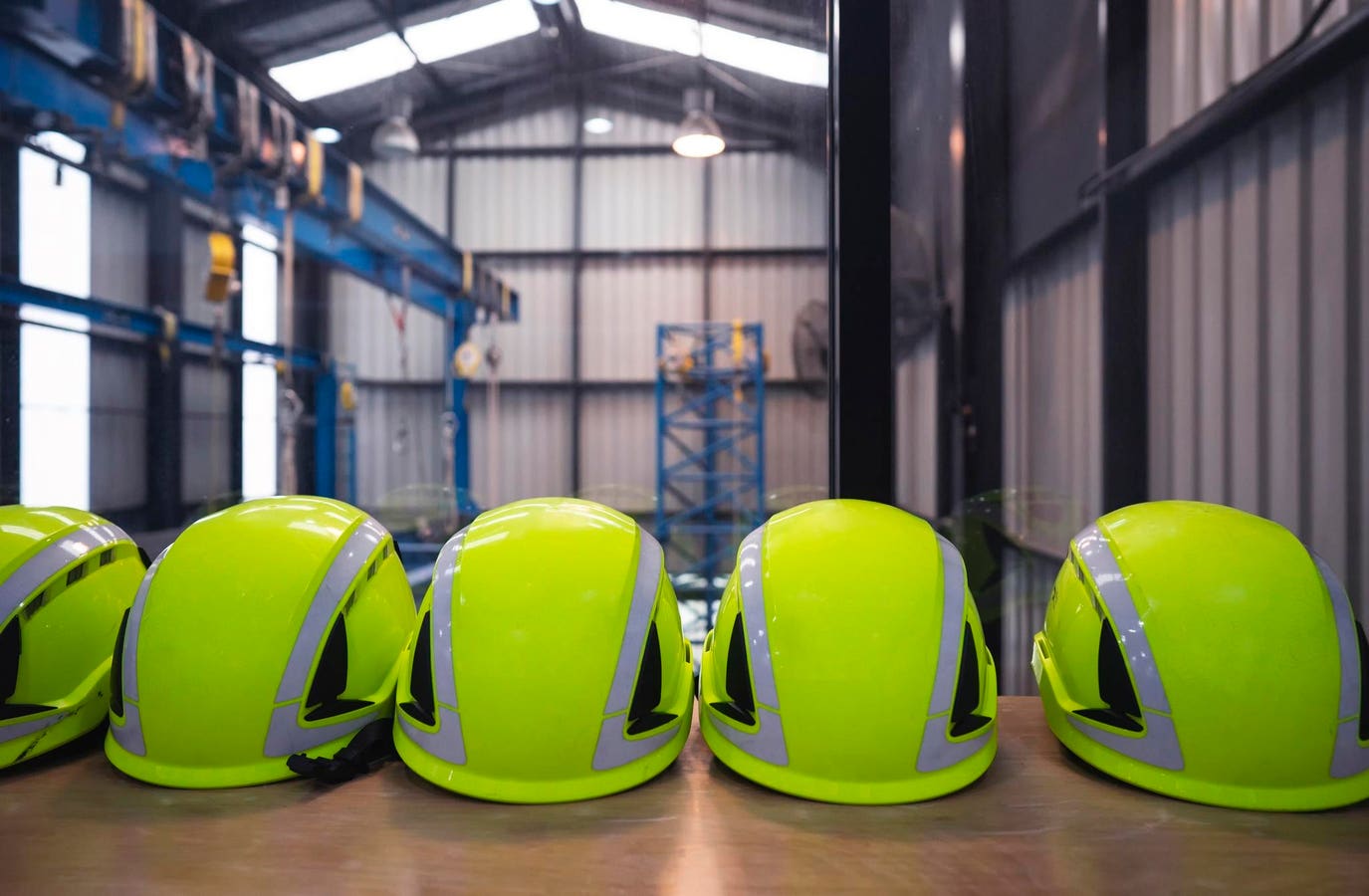
Manufacturing in Europe and the U.S. is struggling to attract skilled workers. Not only does manufacturing face an image problem as a traditional, male-dominated, dangerous and laborious workplace, the industry—paradoxically—has developed and innovated to the point where advanced technology skills are highly needed, but hard to find. By reinforcing an inclusive workplace and changing the outdated image of manufacturing, we can expand the talent pool and attract skilled people who can help make the manufacturing sector a hotbed of innovation with high-quality jobs.
Focus on the craft you have in common.
Backlashes to big cultural movements can be emotionally charged as they are often perceived to attack existing values and norms, implying that certain groups and their belief systems are wrong. That can be a hard pill to swallow, especially when change is happening fast.
DEIB should be about freedom, rather than pointing out who is right or wrong. Individuals should have the freedom to feel safe and respected and be able to access opportunities in a fair, equitable and transparent way. That’s something most people can agree on and shifts the focus to what we have in common rather than what separates us.
In a workplace, that can mean focusing on a shared purpose. It can also mean focusing on the craft of the business. For example, manufacturing requires a high level of professional engineering and technical skills when it comes to the production itself, research and development and the manufacturing processes and equipment. Additionally, manufacturing employees tend to take a great deal of pride in their craft, as skills are often honed over decades. By focusing on the craft of the business and tapping into the passion and pride people have for the craft, you set a cultural foundation that prioritizes a person’s knowledge and what they contribute to the craft.
In conclusion, the manufacturing industry offers a golden opportunity to unite employees around our engineering and technology craft and build a solid foundation for long-term understanding and acceptance. Perhaps the “I” for “Inclusion” can help us reframe the movement toward increased DEIB in the workplace. By including the people feeling threatened or challenged by DEIB, attempting to understand where they are coming from and finding common ground, we might make progress even faster.
Forbes Business Council is the foremost growth and networking organization for business owners and leaders. Do I qualify?
Read the full article here