



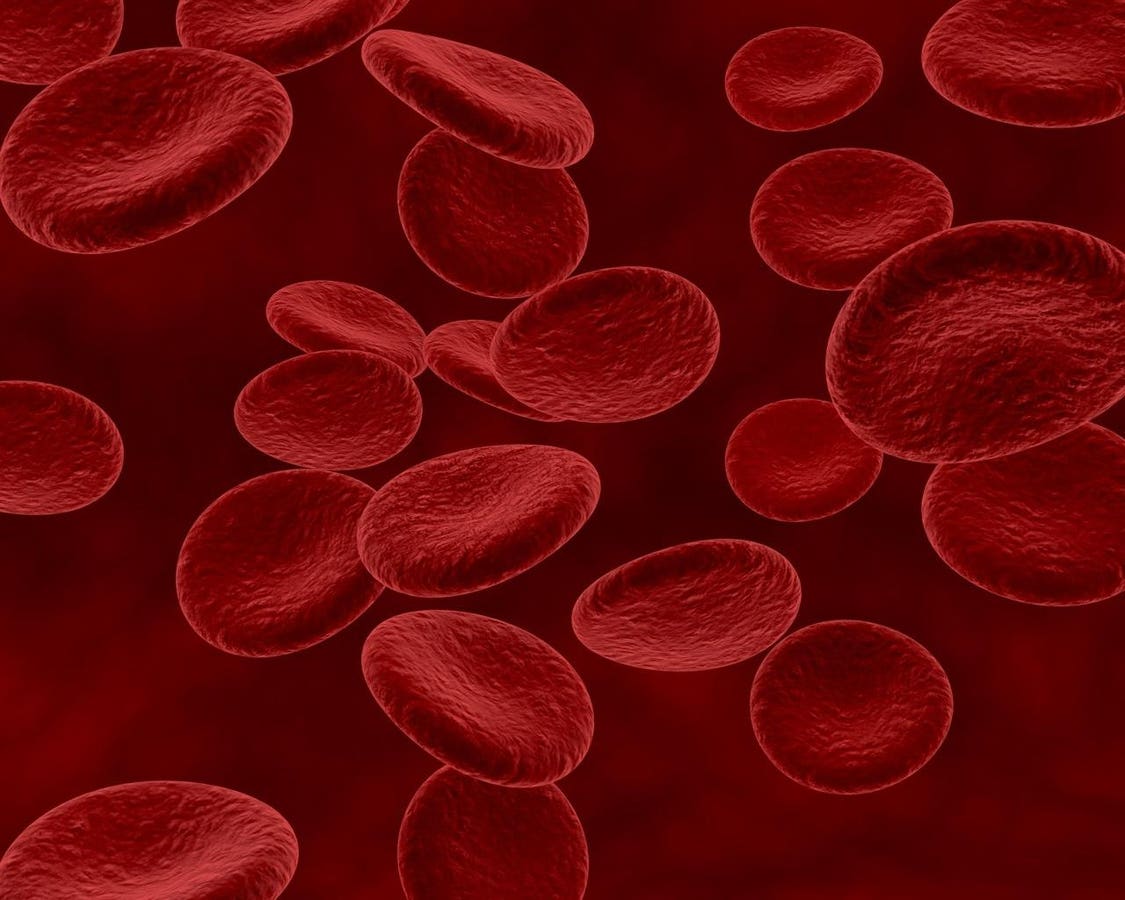
A single one-time gene therapy could free patients with α-thalassemia, a rare and debilitating blood disorder, from the burden of lifelong transfusions. For patients, this would mean liberation from weekly or monthly hospital visits, reduced risk of organ damage caused by iron overload, and a vastly improved quality of life. For families and healthcare systems, it could also mark a turning point: replacing decades of chronic care with a permanent solution. That is the promise of a new study showing how gene therapy may restore healthy red blood cell function in patients with thalassemia.
A New Study Brings Hope of a One-Time, Durable Treatment
A recent publication in Cell Reports Medicine provides evidence that gene therapy can address the fundamental genetic defect underlying α-thalassemia, a condition resulting from mutations that disrupt the normal transport of oxygen in the blood. The study employed lentiviral vectors, which can be read about in detail in Destiny’s Child No Longer: Rewriting Genetic Fate. These are engineered viral tools designed for the safe delivery of genes.
The study used these vectors to introduce functional copies of the relevant gene into hematopoietic stem cells obtained from patients. Hematopoietic stem cells are specialized cells primarily found in the bone marrow that serve as the body’s primary factories for blood cells. They have the unique ability to develop into all the different types of blood cells, including red blood cells, white blood cells, and platelets. As a result, they play a crucial role in continuously replenishing our blood supply throughout our lives.
After transplantation of these modified stem cells, the resulting red blood cells demonstrated improved oxygen-carrying capacity. Gene-corrected stem cells restored α-globin production in laboratory models, resulting in stable red blood cells with longer survival. In experimental systems, corrected cells maintained red blood cell production over time. These findings highlight gene therapy’s potential as a curative strategy: a single stem cell infusion could end the need for repeated transfusions.
Building on Gene Therapy’s Success
Progress in gene therapy for α-thalassemia builds upon recent successes in related blood disorders, such as sickle cell disease and β-thalassemia. In these conditions, newly approved gene therapies have enabled many patients to achieve transfusion independence, often within months of treatment. Ongoing clinical trials in other forms of thalassemia have produced encouraging outcomes, with many patients achieving independence from transfusions and others experiencing substantial reductions in transfusion needs. The recent study in α-thalassemia provides strong laboratory evidence that a similar therapeutic approach may be possible for this more complex form of the disease. Early-stage clinical trials will be essential to confirm these results. If successful, gene therapy could offer a transformative solution for one of the last major inherited blood disorders still lacking a curative treatment.
Remaining Challenges
Despite these advances, important challenges persist. Thalassemia remains a severe health burden in regions such as Southeast Asia and the Mediterranean, where access to safe and consistent transfusion services is often limited. In these settings, the prospect of a one-time, durable treatment is especially significant, offering hope where conventional care is not always feasible. The study’s process involves collecting a patient’s stem cells, genetically modifying them in specialized laboratories, and then reinfusing the cells after chemotherapy has prepared the bone marrow for transplantation. During recovery, patients may experience temporary immune suppression and an increased risk of infection.
The high cost of current gene therapies for blood disorders—ranging from $2 to $3 million per patient—remains a substantial barrier to widespread adoption. Expanding global access will depend on innovations in manufacturing and the creation of sustainable funding models.
Beyond Thalassemia
The impact of this research extends beyond thalassemia. The lentiviral gene therapy platform may be applicable to a range of inherited blood disorders caused by mutations affecting red blood cell production. Researchers are also exploring precision gene editing technologies such as CRISPR as alternative methods to correct disease-causing mutations. Each of these advances strengthens the case for treating genetic diseases at their source.
Medical history is marked by therapies that have changed the course of diseases once thought untreatable, including diabetes, HIV, and some cancers. For α-thalassemia and related blood disorders, gene therapy may represent a comparable turning point. The latest research demonstrates that targeted correction of genetic defects is now a practical and achievable therapeutic strategy.
The goal of ending transfusion dependence for individuals with α-thalassemia is now within reach. Advances in gene therapy have brought the field closer to a curative, single-treatment solution. Ensuring global patient access to these innovations is the next decisive challenge.
Read the full article here