


At Dartmouth, the conversation around student wellness has shifted from crisis response to continuous support. This month, the college unveiled Evergreen, an AI-driven platform designed to help students manage stress, sleep, focus, and connection, without replacing human counselors.
Developed by students and guided by faculty, Evergreen represents what Dartmouth calls a “personalized behavioral health tool.” It uses AI to understand individual habits and deliver real-time coaching. The project runs under formal research protocols and will undergo several years of trials to measure its actual impact on student well-being.
“Colleges and universities exist to prepare students to be resilient in a world that is becoming more complex by the day,” said Dartmouth President Sian Leah Beilock. “Evergreen was conceived by students, for students, who are harnessing the power of AI to create a personalized behavioral health tool to promote well-being among their peers.”
How Evergreen Uses AI
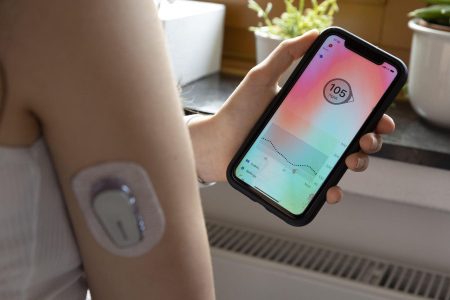
Evergreen works like a campus-native assistant that notices patterns and responds to them. The system integrates data from a student’s schedule, activities, and data voluntarily shared by the users such as sleep or heart rate to offer short, conversational suggestions.
For example, in a situation where a student is pulling a late-night study session, Evergreen detects rising stress and suggests a two-minute breathing exercise. Another user may log jitters and get a quick mental rehearsal prompt. The next time the same situation arises, the AI adjusts its timing and language based on past responses.
The platform isn’t meant to diagnose or treat. Instead, it functions as a digital coach grounded in behavioral science. The early chatbot relies on a structured prompt system that draws from a curated dataset built from over 100,000 hours of expert-reviewed therapeutic interactions.
Over time, the model will learn from outcomes and student feedback, fine-tuning how it delivers advice. The system’s adaptive design allows researchers to run experiments on tone, frequency, and engagement strategies, with each iteration adding to the scientific record of what actually helps.
The chatbot launches this December, followed by randomized controlled trials next year. A fully generative version enters testing in 2026, with large-scale trials planned for 2027.
Nicholas Jacobson, an associate professor leading the research with Lisa Marsch and Andrew Campbell, explained the philosophy: “Moving fast and breaking things doesn’t work with student wellness. We need scientifically developed, rigorously tested interventions.”
Designed by students, backed by science
Dartmouth’s Evergreen app is unusual because it’s being built by the same population it serves. More than 130 undergraduates are shaping tone, content, and user interactions. The idea is that a system written by peers will feel more authentic and relatable than a corporate chatbot repackaged for campus life.
“Our well-being is closely tied to how well we navigate challenges in our day-to-day lives,” Beilock said. “That is why Dartmouth is focused on empowering students with the tools and skills to face difficulty head-on, academically, professionally, and personally.”
Each interaction with Evergreen is voluntary. Students choose what data to share and can opt out at any time. All information is stored on Dartmouth servers, protected through encryption and research governance. Faculty researchers operate under Institutional Review Board oversight to ensure ethical handling of sensitive information.
The university has also partnered with Thrive Global, Arianna Huffington’s behavior-change company, to provide content for stress management and resilience. Dartmouth stresses that no student data leaves campus in the process.
Running a clinical-grade AI study inside a university brings a different level of scrutiny. Evergreen’s team plans to measure changes in emotion, connection, and overall flourishing. Trials will track how students engage through peak stress periods such as midterms and finals.
Jacobson’s team is not new to this kind of measurement. Earlier Dartmouth studies in mobile sensing with StudentLife and CenceMe pioneered ways to predict stress and mood from phone data. Evergreen builds on that lineage with real-time feedback loops and user-specific interventions.
The Increasing Reach of AI in Mental Health
Mental health demand on campuses keeps climbing. Counseling centers across the country report record wait lists and shrinking bandwidth. Yet most student needs don’t occur in therapy rooms. They happen in everyday routines such as missed meals, disrupted sleep or endless academic pressure.
Evergreen aims to live in those in-between moments. Its value depends on whether small, data-informed nudges can prevent bigger breakdowns before they start. The question is whether AI can supplement, not substitute, real human care.
The timing of the launch last week, aligned with World Mental Health Day on October 10, 2025, reflects Dartmouth’s broader initiative, the Commitment to Care strategy. The program includes research on digital therapeutics and a symposium on student wellness hosted in partnership with the United Nations later this month.
There are real risks when it comes to the use of AI in mental health situations, however. AI tools in mental health have stumbled before. Chatbots trained on open internet data have produced unsafe responses, prompting suspensions and public backlash. Dartmouth’s choice to build Evergreen internally, with faculty oversight and closed datasets, is meant to guard against those same missteps.
AI-based wellness has matured quickly. Tools like Wysa, Woebot, and Tess have already reached millions of users and shown short-term gains in stress and anxiety reduction. But their data policies, tone, and design are built for global markets, not the specific culture of a single college.
Evergreen flips that dynamic by going hyperlocal. It’s tuned for Dartmouth’s pace, slang, and rhythms, which might improve adoption. Yet local tuning also raises the question of how it performs in scale. If Evergreen proves effective, can it work on another campus with a different social fabric?
The answer will depend on what the trials uncover, and whether the approach can be replicated without losing authenticity.
Read the full article here