


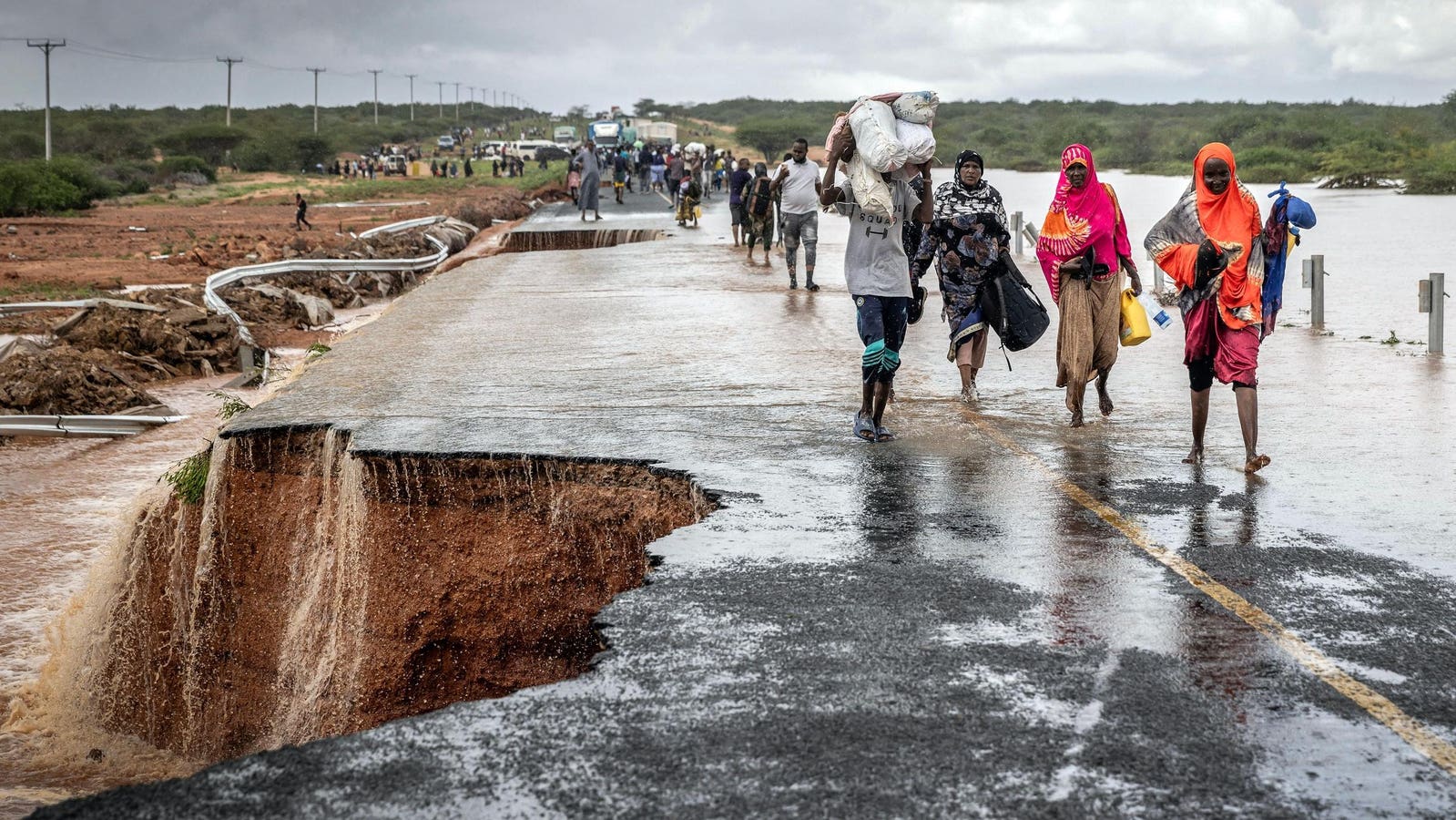
The world is not in good shape. 2024 was the hottest year on record. Six of nine planetary boundaries — the limits deemed safe for humans to enjoy stable and prosperous lives on Earth — have been breached. The global wildlife population has decreased by 73 per cent over the last 50 years. And social inequality is getting worse — the World Bank estimates that an additional 68 to 135 million people could be pushed into poverty by 2030 because of climate change.
Yet, as the costs of inaction grow by the minute — they are estimated to be equivalent to as much as 27 per cent of GDP by 2100 — the costs of the transition to a clean energy economy are decreasing and the opportunities waiting to be unlocked by this shift are substantial – to the tune of $10.3 trillion of business opportunities.
Indeed, action to better manage climate change and to slow global warming is pivotal because of its long-term importance to human societies and economies. It is essential for economic stability and development, to reduce systemic financial risk and to create huge economic and financial opportunities.
The solutions to reduce emissions and diminish the risk of societal and economic shocks and even collapse because of climate change are well known. Yet governments, businesses and financial institutions the world over are choosing to ignore them and the likely consequences of failing to act. Change is largely reliant on voluntary actions and tweaks to the current economic system.
This approach is flawed and increasingly dangerous for people and the economy. It will not stop the flows of financing to fossil fuels or ensure the funding needed for clean energy infrastructure and measures to help people adapt to the impacts of a warming world.
Only by placing clean air, clean water, healthy soils and long term profitability at the heart of our industrial policies and by fully embedding sustainability into the rules governing global financial markets, can we ensure that the transition to a clean energy economy happens at the required rate.
To make this happen, three shifts are needed.
The first is for policy makers, businesses and financial institution to collaborate to fully embed the transition into industrial and financial policies. Every country or region needs a clear and resilient clean energy industrial strategy to drive growth and investment.
The EU’s Green Deal, Japan’s Green Growth Strategy and China’s 14th Five-Year Plan each mobilised billions of dollars for the green economy transition. Meanwhile, in the UK, more than 22,800 net zero businesses has spurred economic expansion with 10.1 per cent growth in the total economic value since 2023.
Further, industrial strategies must go hand in hand with an enabling financial policy. This should include a mix of incentives and penalties, innovations and scaling mechanisms, individual solutions and financial architectures. And they should all be targeted at driving finance and insurance away from harmful activities towards those that have a positive impact.
The second shift involves changing the way we think. We need to shift narratives and mindsets away from compliance and incrementalism to value, competition and transformation, and make change understandable and attractive.
Thirdly, core financial structures need to change to ensure that climate, nature and social inequalities are included in financial models that incentivise market behaviour.
This means developing financial models and structures that reflect real world risks and opportunities and enable long-term value creation. It also means demonstrating what’s possible and showing how to turn individual groundbreaking transactions into thousands of replicable trades.
It is the search for profitable opportunities that drives the financial markets. It is therefore important to direct financial institutions to identify and close opportunities that will generate revenue from the transition.
Last, but not least, we need to unlock a truly transformative financial architecture in order to improve the flow of finance towards emerging and developing economies where it is needed the most.
The alternative is to continue to pretend that business-as-usual is an option. Burying our heads in the sand will mean greater loss and damage further down the line as climate change worsens and we are left without the financial or industrial tools to cope with its impacts or to adapt to a changed world.
No one individual or company or country can manage the transition alone. We need to respond to the current moment not with dismay, a loss of momentum or with nostalgia for a past that probably never existed. Instead we need to embrace today’s challenges and face them with new ways of thinking, coalitions and alliances. In this way, we can manage the transition in a calm and orderly way.
Read the full article here