


The true cost of dealing with plastic waste is 10 times higher for low-income countries than richer nations, despite them consuming the material far less, according to a new study.
The report commissioned by the WWF and developed by global consulting firm Dalberg, claims the lifetime cost of a kilogram of plastic for low and middle-income countries is around $150, which is eight times the $19 incurred by wealthier nations.
And when comparing just low-income countries and their richer counterparts, the report argues the cost differential rises to 10 times with low-income countries facing costs of $200 a kilogram.
It argues low and middle-income countries at a disadvantage in that they have minimal influence on which plastic products are produced and how they are designed, and yet are often expected to manage these products once they reach their end-of-life.
The report warns product and system design considerations are typically made further upstream in countries with extensive plastic production and by multinational companies headquartered in high-income countries.
The WWF’s international plastic policy lead, Eirik Lindebjerg said in an interview the report highlights the “imbalance of plastic pollution” and “structural inequalities” around the world.
Lindebjerg added the global plastics economy is “almost completely unregulated” at a global level, and urgently needs a joint effort to regulate the lifecycle of plastics.
“The global plastics economy is also projected to grow even more, with a predicted large increase in production of products that are designed to be used for a short time and then thrown away,” he told me.
“In addition, there has been a lack of finance for waste management infrastructure in developing countries.”
The report warns without reducing plastic production and consumption, low and middle-income countries will continue to bear the highest burden of plastic pollution’s direct environmental and socio-economic impacts.
It also argues the current system lacks a fair way for holding countries and companies to account for their action, or inaction, on plastic pollution and its impact on our health, environment and economy.
With no common obligations across all jurisdictions and companies, it says low- and middle-income countries end up paying the steeper price.
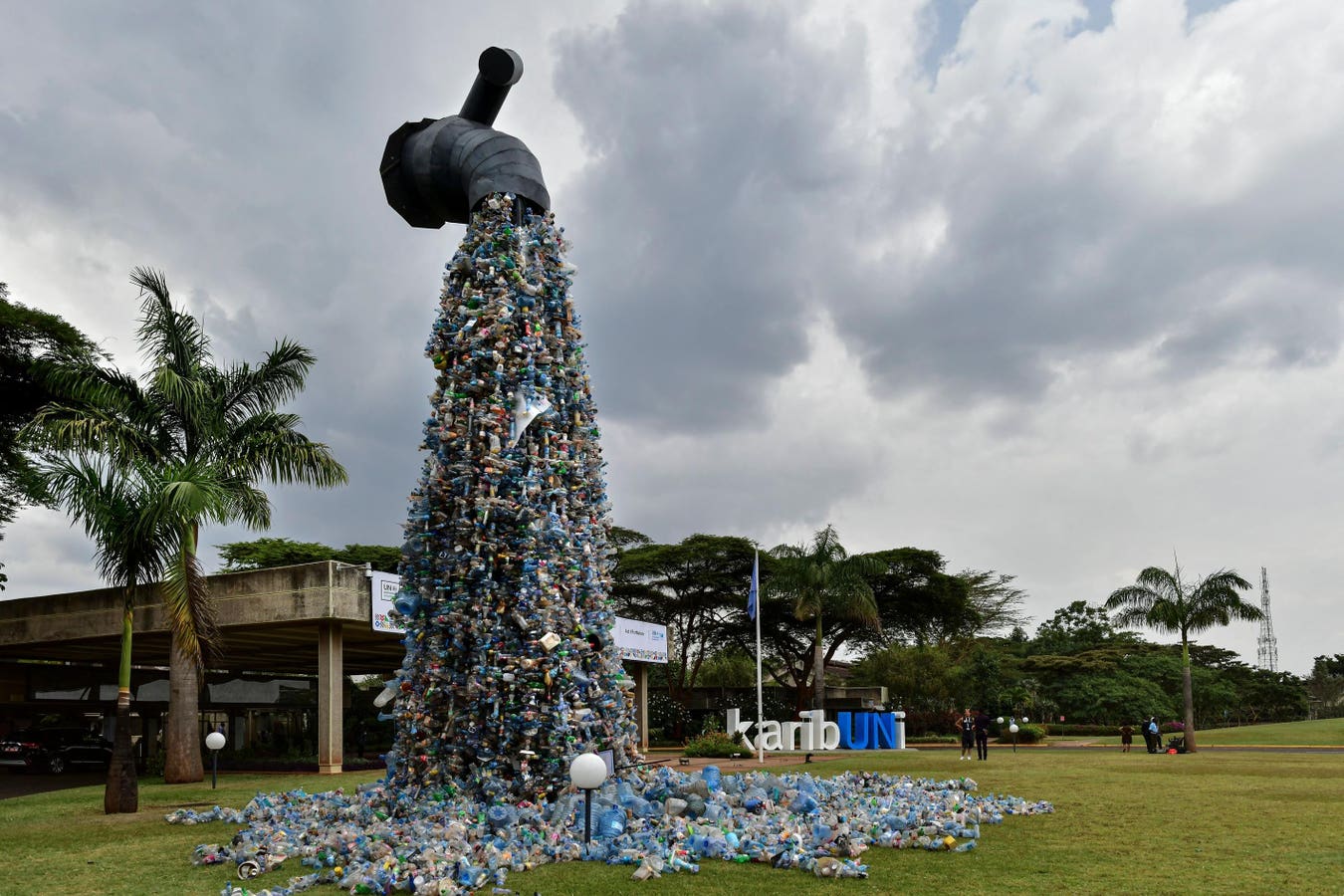
The report comes as delegates prepare later this month for the next round of negotiations for the United Nations treaty on plastic waste in Nairobi, Kenya.
Lindebjerg says “the potential is there for these negotiations to have a transformative effect” and put in place the global regulations needed to end plastic pollution.
“It’s quite obvious that the majority of people around the world feel we need to do something about this issue, and the public are putting pressure on the leaders who are going to these international conferences.
“There’s still a lot of work to be done,” he told me. “But the fact the majority of countries in the world are supporting these regulations is encouraging.”
Erin Simon, vice president and head of plastic waste and business at WWF-US, said in a statement the new report underscores the need for countries to “choose a path forward that is guided by science and calls for global rules and requirements to curb plastic production and consumption”.
“It is not economically, socially or environmentally sustainable to prioritize the production of single-use plastic products,” added Simon.
“By elevating the voices of those most impacted by plastic pollution, we will get closer to a treaty that ensures a more equitable future.”
Last week, a report by the non-profit Ellen MacArthur Foundation said despite progress being made around the world, tougher measures are now needed to curb the plastic pollution crisis.
Read the full article here