



Invisible and deceptive, this health condition is a silent killer affecting millions worldwide. For many, it begins as a growing fatigue, with a persistent weight gain leading to a fog gradually enveloping the mind.
Before people realize it, insulin resistance culminates in diseases like diabetes. This disruption of the body’s glucose balance spirals into serious health complications, such as kidney failure, heart attack and stroke.
Today, insulin resistance affects up to 46.5% of adults worldwide. Traditional treatment options for diabetes are neither convenient nor fully effective. Artificial intelligence (AI) is transforming the management of insulin resistance with innovative monitoring and groundbreaking treatment options.
Insulin resistance and its costly toll
Insulin is a crucial hormone that helps our body turn the food we eat into energy and controls our blood sugar levels. When the body’s cells start resisting insulin, it triggers disastrous consequences.
The body’s inability to regulate blood sugar leads to a condition called Type 2 Diabetes, the most common type of diabetes — fetching insulin resistance, the name pre-diabetes. Reports suggest global diabetes cases could skyrocket from 529 million to a staggering 1.3 billion by 2050. In the US, over 37 million individuals, or 11% of the population, suffer from diabetes.
The toll isn’t just physiological; it’s financial, too. Diabetes has earned the unfortunate distinction of being the U.S.’s most costly chronic condition. A quarter of all U.S. healthcare expenses—totaling $237 billion annually—is dedicated to diabetes care.
Blood sugar management: The key to tackling Insulin Resistance
Effective blood sugar management can curtail the risk of complications, including eye, kidney and nerve diseases, by 40%.
Traditionally, blood sugar tests help monitor blood levels in the body. However, they are intrusive and inconvenient. Glucometer kits, for instance, pose issues like the dreaded needle-prick pain, especially pronounced among older people. On the other hand, lab tests demand travel with longer wait times and pricier tags, apart from having inconsistent results.
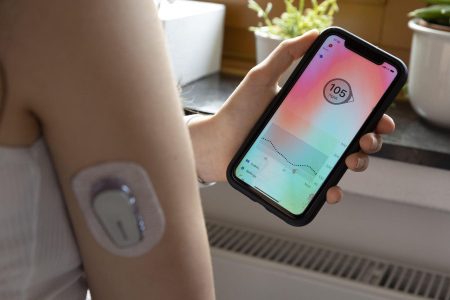
The intersection of data and healthcare has opened possibilities with novel, reliable, and non-intrusive solutions to manage blood sugar levels. Patients can now swiftly analyze blood glucose data by simply waving their smartphone over a sensor. For example, Abbott’s FreeStyle Libre 2 sensor provides real-time glucose readings for patients and healthcare providers, helping them determine optimal insulin doses.
Getting proactive with AI-driven blood sugar management
While such technology apps are a good step forward, they are nevertheless reactive – constant insulin jabs are band-aid solutions that fail to address the root of the problem. The National Diabetes Prevention Program found that lifestyle changes such as healthy eating and physical exercise can reduce type 2 diabetes risks by up to 58%.
Take the case of Rufus Sweeney, a 4th-year medical student at UW-Madison and Oklahoma Choctaw. When he discovered his pre-diabetes condition, he turned to glucose monitoring apps in the market that recommended lifestyle changes, from diet adjustments to sleep tweaks. His breakthrough came when he prioritized physical activity over all other app notifications.
By focusing on timely and appropriate movement, Sweeney saw real-time improvements in his glucose levels. In weeks, he was no longer in the pre-diabetic range, without medications or drastic lifestyle changes.
Buoyed by this success, Sweeney teamed up with friends to build the prototype for an app that would nudge patients with suitable physical activity at the right time to keep their pre-diabetic symptoms in check. Christened ‘Nudge,’ the app uses AI to predict when a user will likely to experience a blood sugar spike in the subsequent 30 minutes. It then coaches users on avoiding the glucose spike with personalized physical activity, recommended by an AI algorithm.
Sweeney and team anticipate that an early adoption rate of 1% could positively impact over a million individuals battling insulin resistance. Their prototype, Nudge, won first place in the recently concluded AI for Health Bowl, a competition conducted by the Institute for Augmented Intelligence in Medicine at Northwestern University.
Today, there are several commercial solutions in this space. For example, GlucoseZone recommends guided exercises at home, in a gym, or outdoors based on real-time glucose readings, body weight and medication regimens. mySugr app improves recommendations by letting users click pictures of their meals to log their food intake automatically.
Tackling challenges with technology
The insulin resistance solutions are far from perfect today. The continuous glucose monitoring sensors can be expensive and difficult for users to troubleshoot glitches. AI-driven apps need copious, accurate data to recommend reliable lifestyle changes. This could be a challenge when users manually log their health vitals or dietary intake. Data security of sensitive personal health information is another challenge that requires more stringent regulations and clear guidelines.
Embracing AI-driven apps in the fight against diabetes
AI-driven solutions mark a pivotal shift in diabetes management from reactive to proactive care. However, the true metamorphosis in diabetes care will materialize only with the widespread adoption of such novel technology solutions by healthcare professionals (HCPs) and patients alike.
The rising public awareness and buildup of momentum with successful pilots gives us confidence that AI is a strong ally in this global fight against diabetes.
Read the full article here